
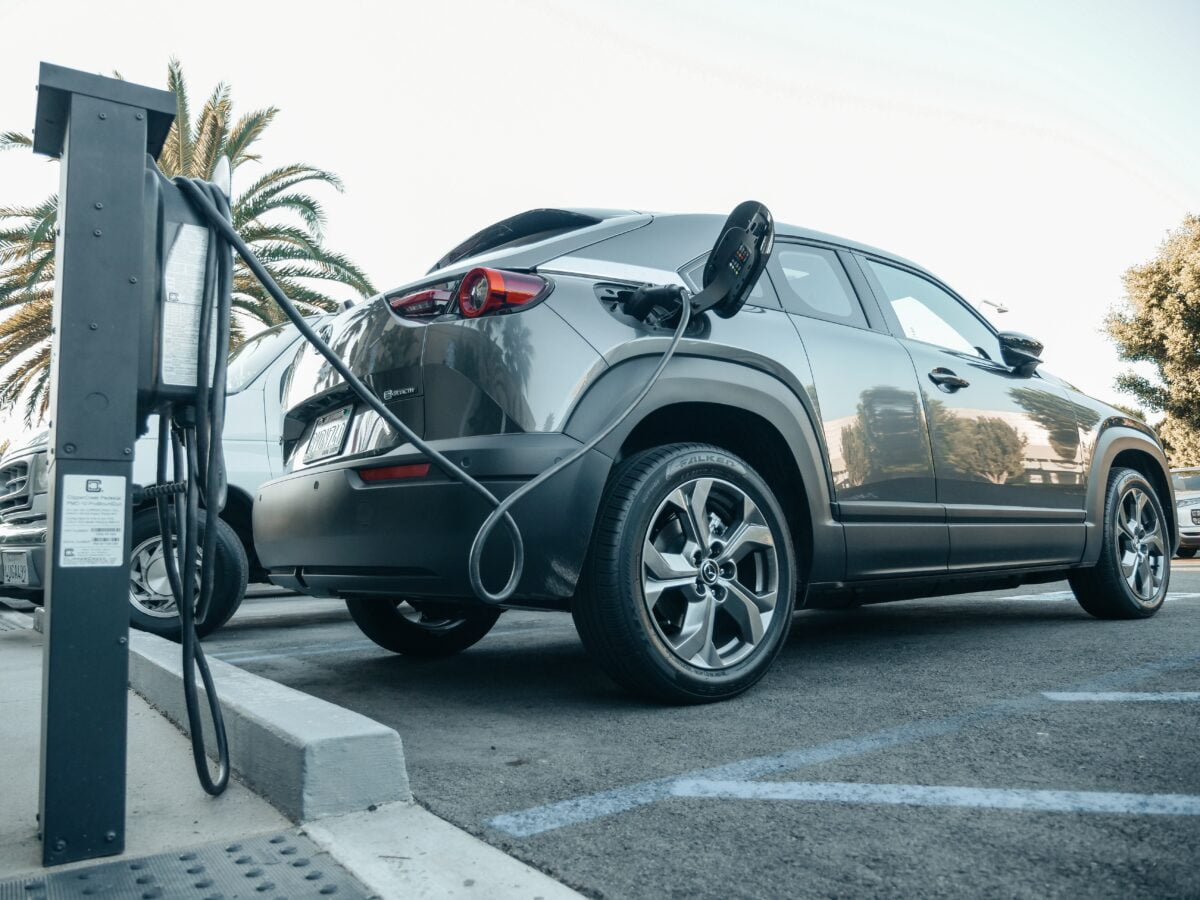
The rise of electric vehicles (EV) as a potential solution to mitigate air pollution. While they offer several advantages over their internal combustion engine (ICE) counterparts, there are limitations that prevent them from being a panacea for this complex problem.
A broader picture
One of the main arguments for the environmental benefits of EVs is their zero tailpipe emissions. The majority of the electricity is still generated using fossil fuels, such as coal, natural gas, and oil. As a result, the emissions that would have been produced at the tailpipe of an ICE vehicle are instead being generated at power plants. This phenomenon is often referred to as the “power generation paradox.” Until the majority of electricity generation transitions to renewable sources like solar, wind, and hydroelectric, the overall emissions reduction potential of electric vehicles remains limited. As long as the energy sources for charging EVs are not clean, their true impact on reducing air pollution will be constrained.